Raising Steam-System and Boiler Efficiency: Proven Measures
From excess-air control to condensate return: how much each measure saves and where to start.
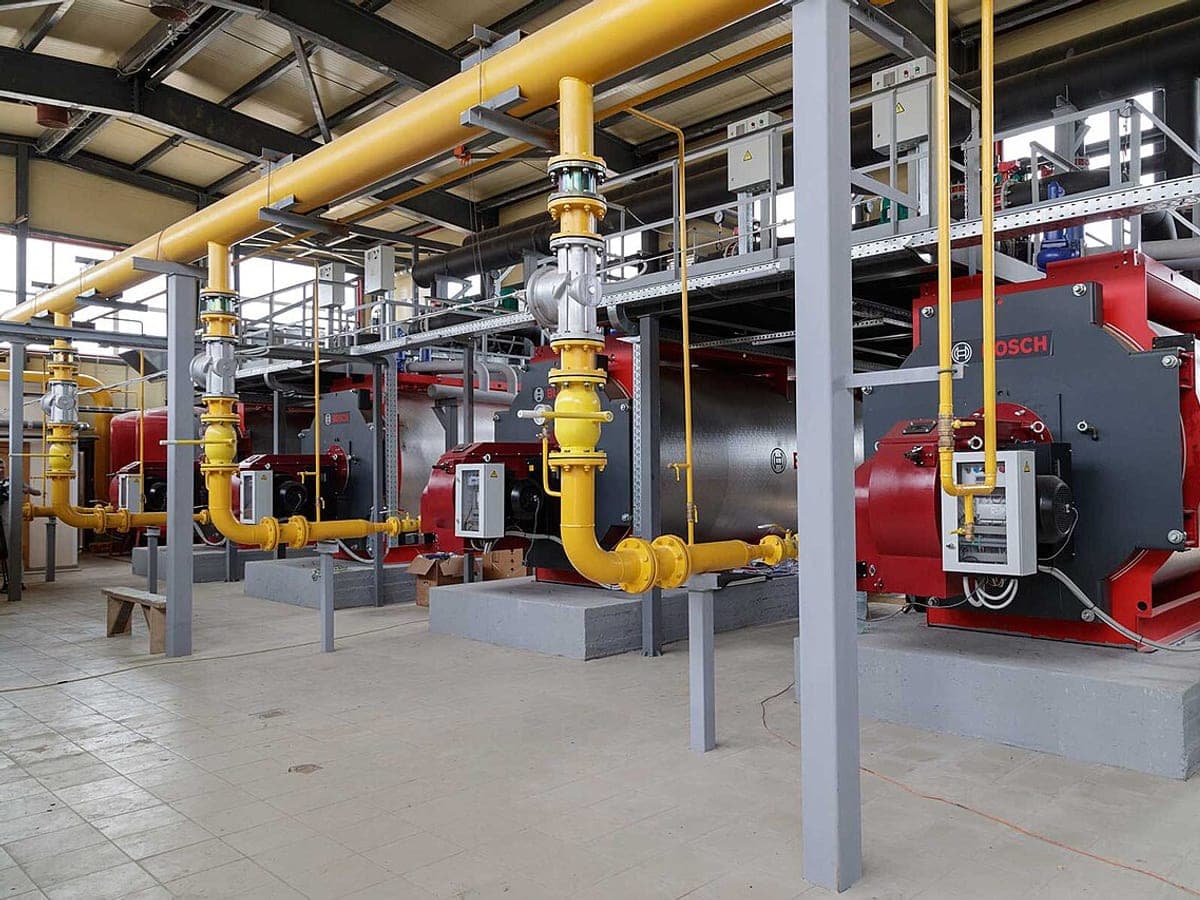
Photo: Пресс-служба губернатора Тульской области. · CC BY 4.0 · Image credits
Where is boiler efficiency lost?
The largest boiler loss is heat carried away by flue gas. It can be estimated with the simple Siegert formula:
Lflue ≈ k · (Tflue − Tair) / CO₂ (k ≈ 0.37 for natural gas)
The hotter the flue and the more excess air (lower CO₂), the larger the loss. See the chart below.
Prioritising measures
Reliable rules of thumb
- Every 6 °C rise in feedwater temperature saves about 1 % fuel.
- Every 20 °C drop in flue temperature adds about 1 % efficiency.
- Every 15 % reduction of excess air adds about 1 point of efficiency.
- A 3 mm leak at 8 bar can waste several thousand dollars of steam a year.
| Action | Cost | Payback | Difficulty |
|---|---|---|---|
| Trap survey and repair | Low | < 6 months | Easy |
| Insulation | Low–medium | < 1 year | Easy |
| O₂ trim | Medium | 1–2 years | Medium |
| Economizer | Medium–high | 1–3 years | Medium |
Where to start?
Start with measurement: steam and gas meters, a flue-gas analyser and data logging; then low-cost actions (traps, insulation, leaks). Without measurement you cannot prove savings.
Related articles
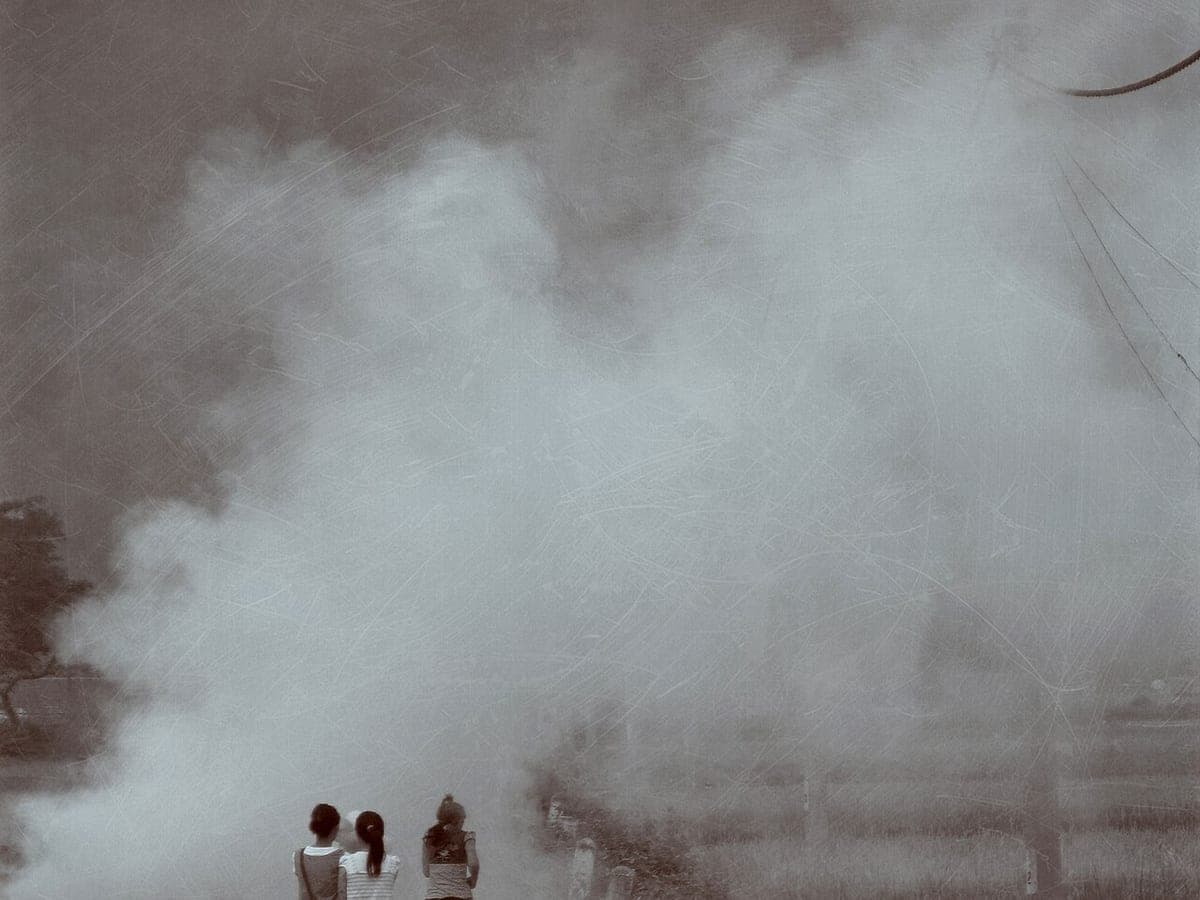
Steam Trap Selection Guide: Types, Principles and Common Mistakes
Why one failed trap can waste thousands of dollars of steam a year, and how to choose the right trap.
2 min read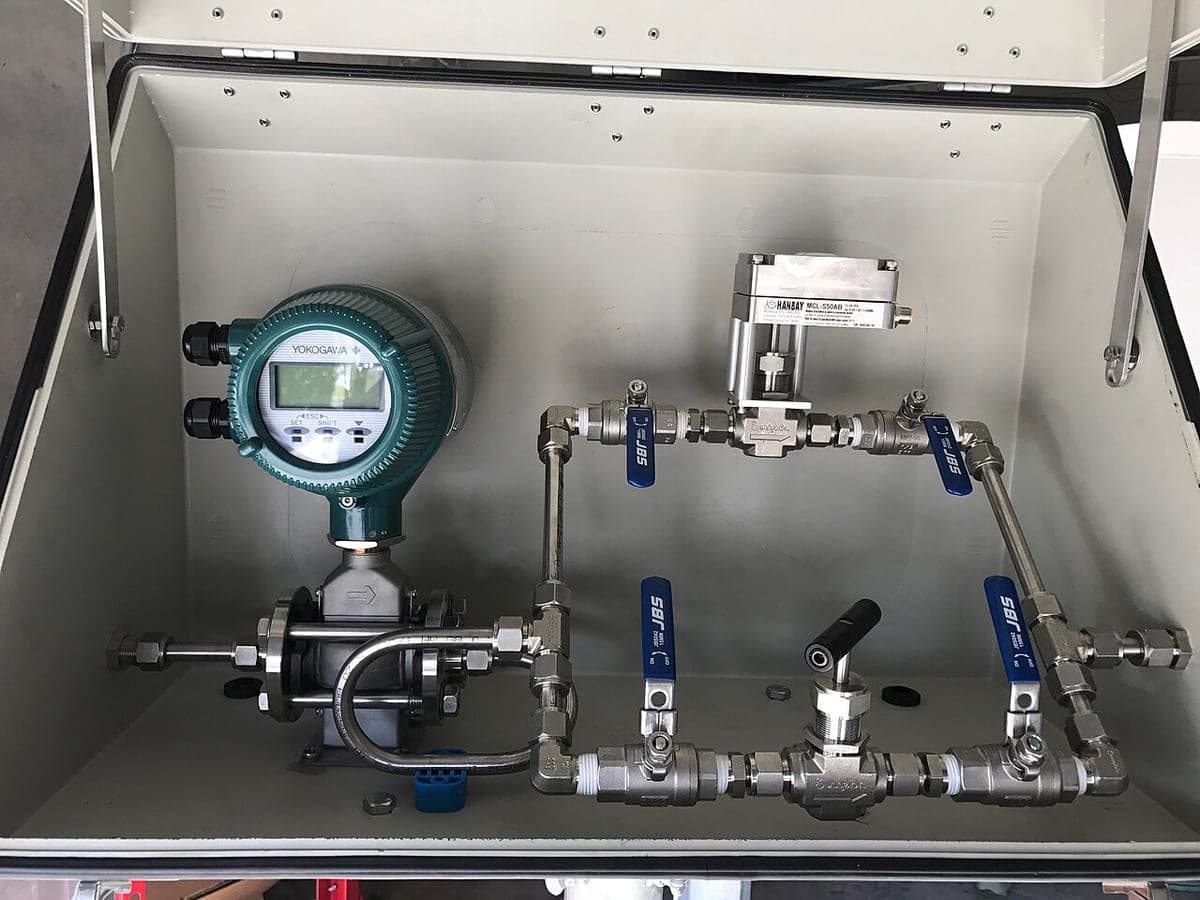
Control Valve Sizing: Flow Coefficients Cv and Kv in Practice
From the basic formula to selecting size and trim characteristic, with a worked example and a Kvs table.
2 min read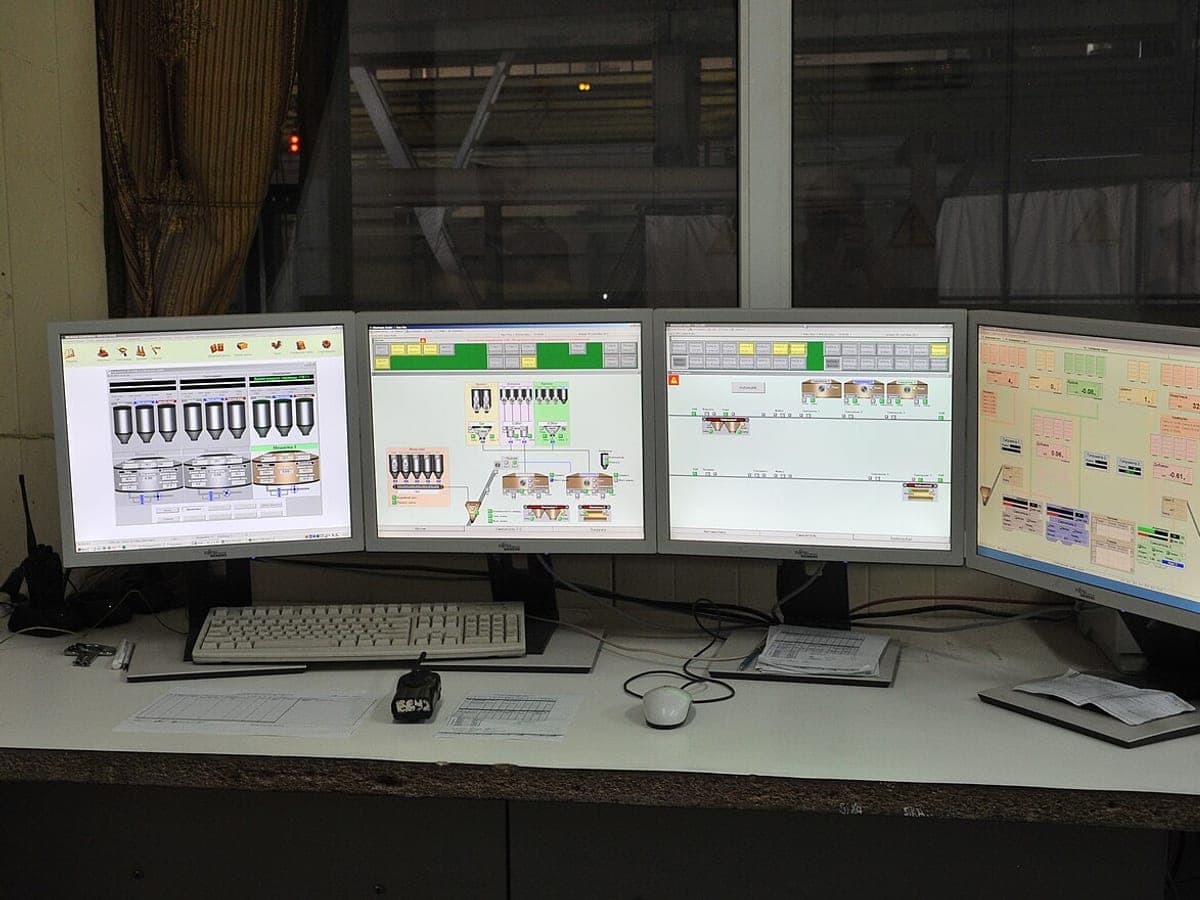
PID Controller Tuning: Fundamentals, Methods and Step Response
The effect of each parameter, Ziegler–Nichols and lambda tuning, with a simulated first-order-plus-dead-time process.
1 min read