Control & Instrumentation
Flow Meter Selection Guide: Magnetic, Vortex, Coriolis or Orifice?
A comparison of accuracy, turndown, pressure loss and cost of common technologies, and a three-step selection method.
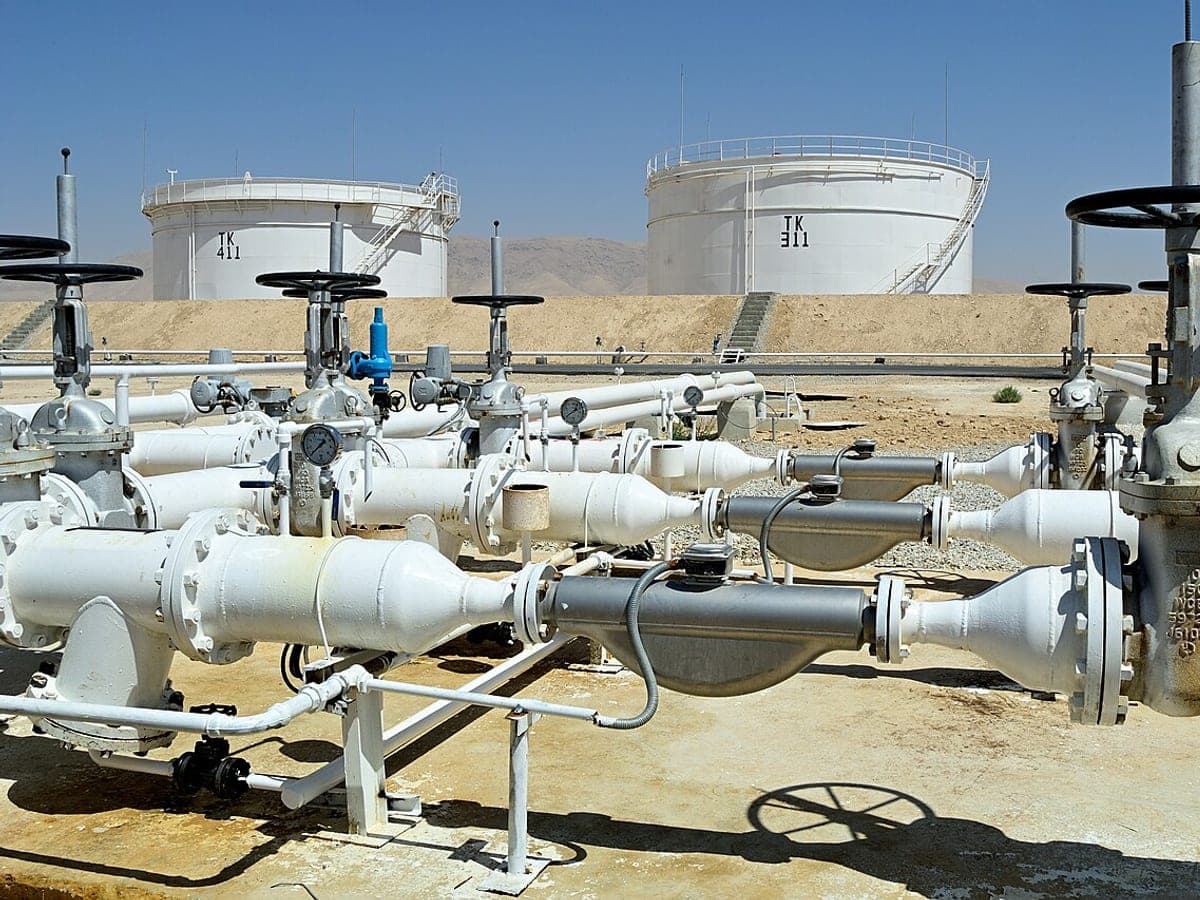
Photo: Vsatinet · CC BY-SA 4.0 · Image credits
Three questions before any selection
- What is the fluid? Conductive liquid, non-conductive liquid, gas, steam or two-phase?
- What accuracy is needed? Process control, allocation, or custody transfer?
- What are the process conditions? Pressure, temperature, viscosity, solids and available straight run.
Technology comparison
| Technology | Suitable fluid | Pressure loss | Moving parts | Note |
|---|---|---|---|---|
| Orifice | Liquid, gas, steam | Medium–high | None | Low cost; needs DP transmitter |
| Magnetic | Conductive liquid | None | None | Water, wastewater, slurry |
| Vortex | Steam, gas, liquid | Low–medium | None | Steam standard; vibration sensitive |
| Turbine | Clean liquid, gas | Low | Yes | High accuracy; bearing wear |
| Coriolis | Liquid, gas | Medium | None | Most accurate, mass flow; costly |
| Ultrasonic | Liquid | None | None | Clamp-on needs no pipe cut |
Straight run and installation
Most velocity-based meters need an undisturbed flow profile. As a rule 10 pipe diameters of straight run upstream and 5 downstream are required, more for an orifice after an elbow or a part-open valve.
Tip
For steam consumption metering and cost allocation, a vortex meter with temperature and pressure compensation usually gives the best balance of accuracy and cost.
Related articles

Steam Trap Selection Guide: Types, Principles and Common Mistakes
Why one failed trap can waste thousands of dollars of steam a year, and how to choose the right trap.
2 min read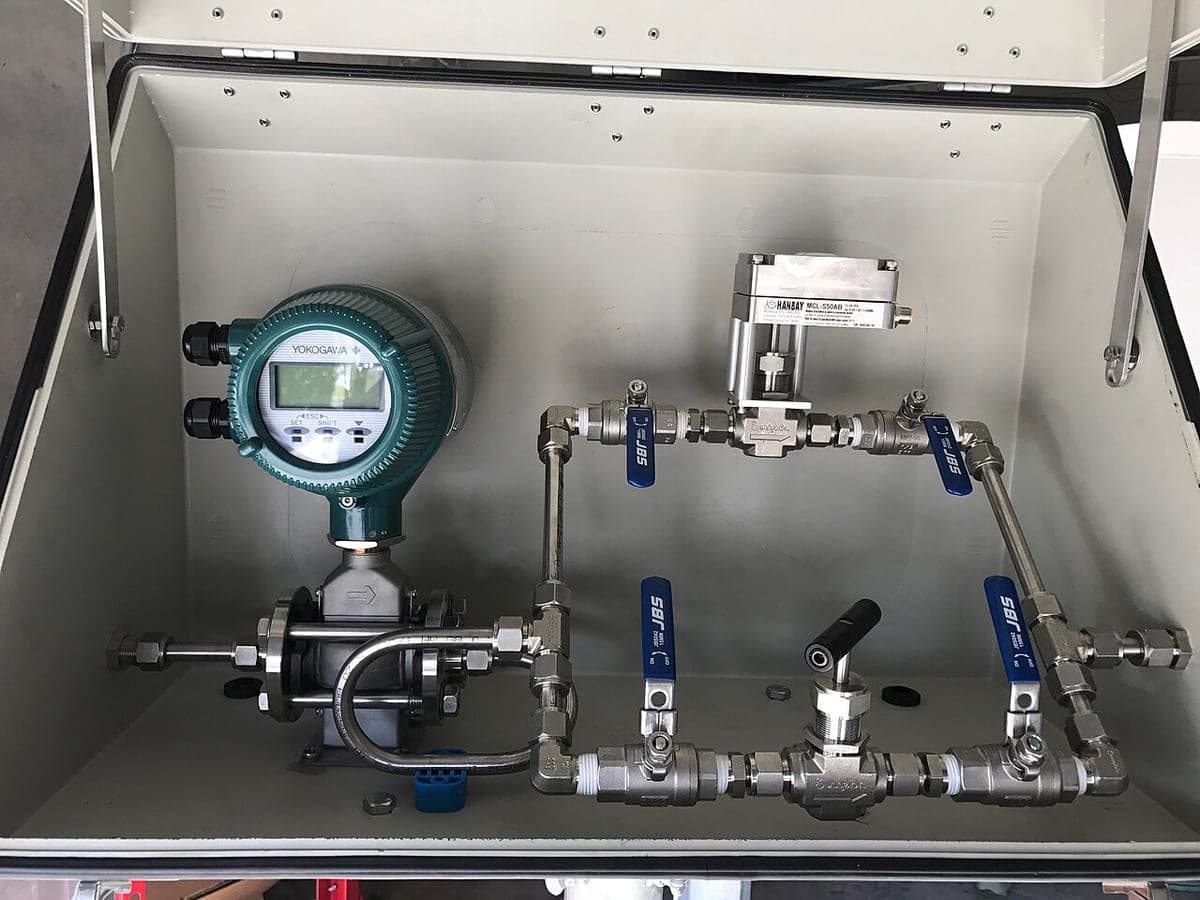
Control Valve Sizing: Flow Coefficients Cv and Kv in Practice
From the basic formula to selecting size and trim characteristic, with a worked example and a Kvs table.
2 min read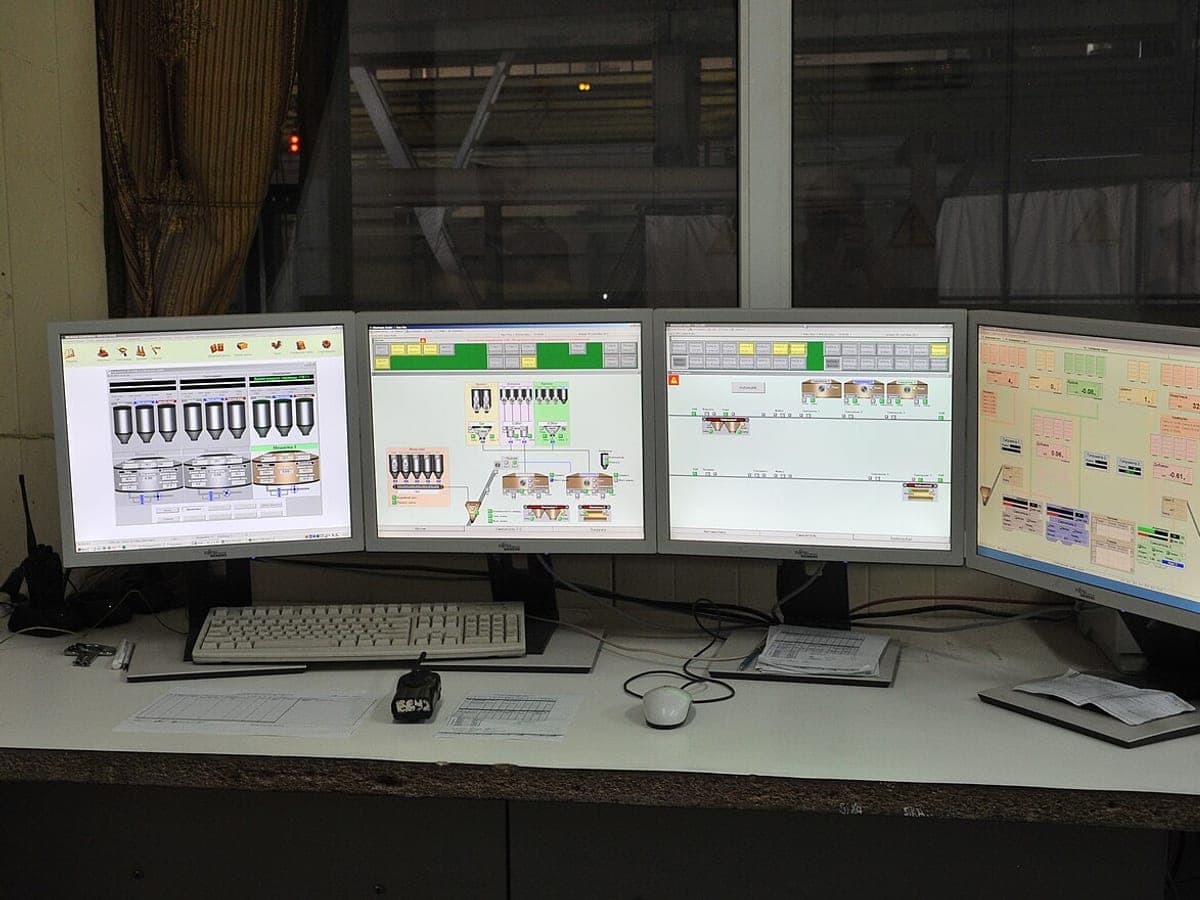
PID Controller Tuning: Fundamentals, Methods and Step Response
The effect of each parameter, Ziegler–Nichols and lambda tuning, with a simulated first-order-plus-dead-time process.
1 min read